
Local history guide · Old Town, Split
A local guide walks you through the Old Town in the evening and tells the story of the last hundred years: two world wars, Tito's Yugoslavia, the Cold War, the 1990s and Hajduk as the city's symbol. It's new and has one review, and it's still the only tour that explains the century Poljud was built in.
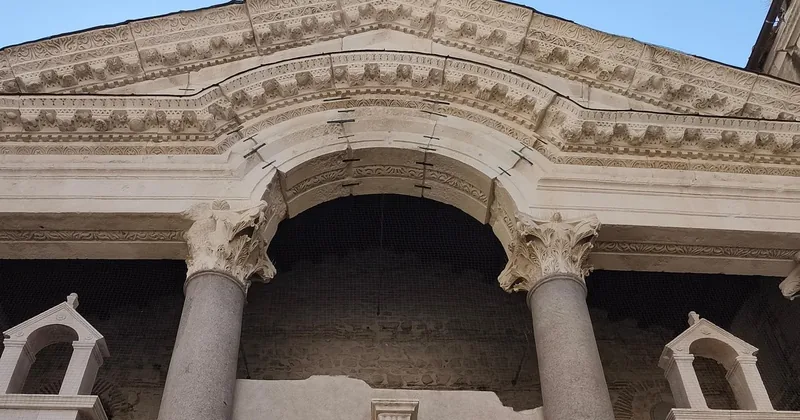
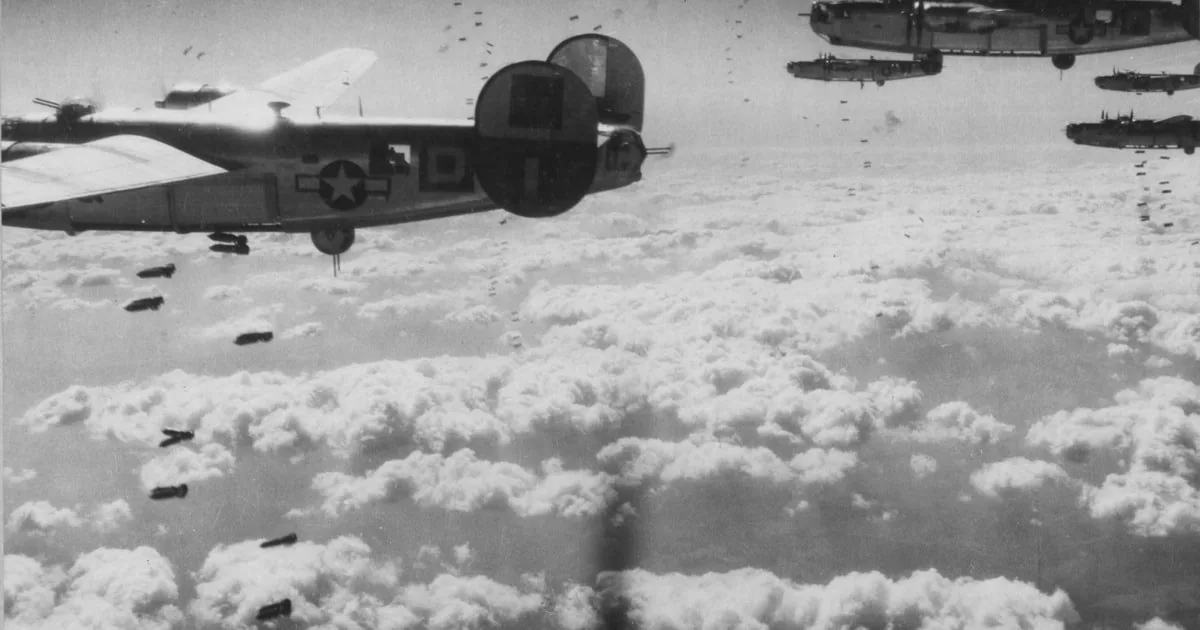
Most palace walks stay with the Romans and the Middle Ages. This one starts with the Roman palace and then jumps forward: the First and Second World Wars and the bombings of Split, life in Yugoslavia under Tito, the Cold War, the wars of the 1990s and Hajduk Split as a symbol of the city. The guide shows old photos from a private collection on a tablet, so you see the same streets as they looked then.
The Hajduk thread ties straight back to the stadium. Poljud was built for the 1979 Mediterranean Games, which Tito opened. In September 1990, at a Hajduk v Partizan match there, Torcida stormed the pitch, and the Yugoslav flag was taken down and burned (Domovinski rat). It does not go inside Poljud; pair it with the club's stadium tour for that.
Be clear about the sample: the tour is brand new on GetYourGuide with a single five-star review. It runs in the evening for the shade, lasts 90 minutes, costs $26 and is wheelchair accessible, the only Old Town walk here whose listing says so.
Meet the guide at the spot in your booking.
A short grounding in the Roman palace the modern city grew inside.
How the First and Second World Wars hit Split, including the bombings, with archive photos.
Everyday life under Tito and the Cold War, and where Hajduk fits in.
The Homeland War years, then local tips for your evening.
★★★★★I went on this tour and would go again deff.
Read next:
The impact of both world wars on Split, the bombings, Yugoslavia under Tito, the Cold War, the wars of the 1990s and Hajduk Split as a city symbol, with old photos on a tablet.
No. Hajduk is one of the topics, but the walk stays in the Old Town. For the stadium, book the club's stadium tour.
Yes, according to the listing.
The tour is brand new on GetYourGuide. The one reviewer gave five stars and praised the tablet photos of the WWII bombings, Yugoslav life and the Homeland War.
Ready to book
An evening walk through the Old Town and the 20th century: the wars, Yugoslavia and Hajduk as a city symbol.
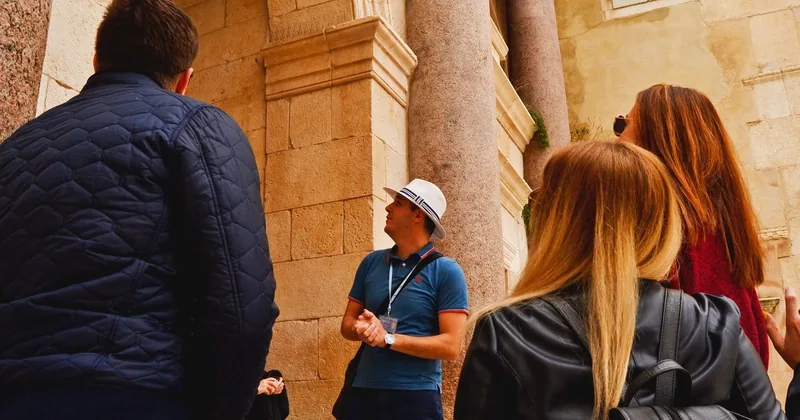 Small-Group Walking Tour with a HistorianDiocletian's Palace with a history graduate: 110 minutes, 15 people at most, headsets and 3D reconstructions.★ 4.9 · 110 min · from $29
 Poljud Stadium Tour with Trophy RoomHajduk's own tour of Poljud: trophy room, press room, VIP lounge and the pitch side, in 30 to 45 minutes.★ 4.5 · 30 to 45 min · from $13
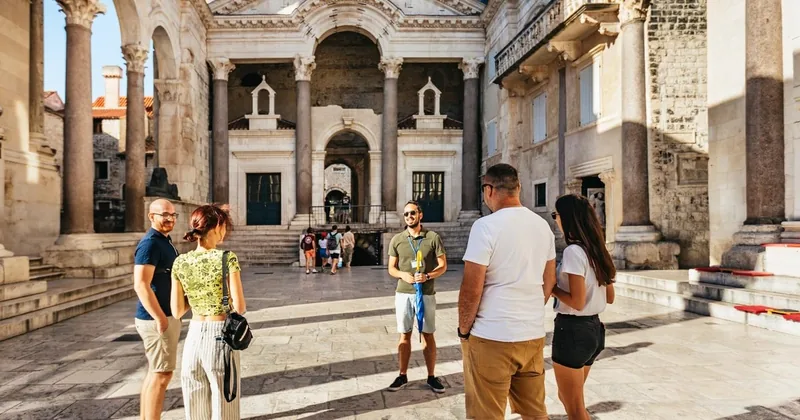 Diocletian's Palace Old Town Small-Group TourThe classic 90-minute Old Town walk from the Golden Gate, in a small group with a local guide, from $15.★ 4.9 · 1.5 hours · from $15